Sara Ralph
10:32:18 PM
New York based marketing consultant with 15+ years of experience elevating brands worldwide.

Obsessed with crafting dynamic experiences that create loyal clientele.
Digital landscapes, intentional storytelling, and bespoke designs shape memorable moments that help brands stand out.
2022–2026
Digital Marketing Lead – PixelWorks
Led cross-functional teams to deliver branding projects for startups and established brands.
2022–2026
Digital Marketing Lead – PixelWorks
Led cross-functional teams to deliver branding projects for startups and established brands.
2014–2022
Graphic Designer – Nova Studio
Developed digital and print designs for marketing campaigns in the tech and retail sectors.
2014–2022
Graphic Designer – Nova Studio
Developed digital and print designs for marketing campaigns in the tech and retail sectors.
2011–2014
BFA, Visual Communication
Graduated from Central State University, Dean’s List recipient.
2011–2014
BFA, Visual Communication
Graduated from Central State University, Dean’s List recipient.
2025
Awwwards
Site of The Day
Lylo
2025
Awwwards
Site of The Day
Lylo
2024
Webby Awards
Winner
Den Market
2024
Webby Awards
Winner
Den Market
2022
SiteInspire
Featured Site
Atelier Noire
2022
SiteInspire
Featured Site
Atelier Noire
2022
Search Engine Land Awards
Site of The Day
Yves Saint Laurent
2022
Search Engine Land Awards
Site of The Day
Yves Saint Laurent
2016
Awwwards
Honorable Mention
Landon Zini
2016
Awwwards
Honorable Mention
Landon Zini
2016
Interaction Awards
Silver
Prada
2016
Interaction Awards
Silver
Prada
2015
Muse Creative Awards
Gold Winner
New Zen
2015
Muse Creative Awards
Gold Winner
New Zen
Services
Tailored to your needs, deliverables for every echelon of business + brand. Crafted to turn engagement into measurable results.
01.
Web Design
SEO
UI/UX Design
Custom CMS
Animation
01.
Web Design
SEO
UI/UX Design
Custom CMS
Animation
02.
Brand Identity
Tone + Voice
Logo Design
Style Guideline
Copywriting
02.
Brand Identity
Tone + Voice
Logo Design
Style Guideline
Copywriting
03.
Ad Campaigns
Campaign Direction
Media Placement
Photoshoots
Videography
03.
Ad Campaigns
Campaign Direction
Media Placement
Photoshoots
Videography
04.
Graphic Design
Print + Digital
3D Design
Brand Assets
Product Design
04.
Graphic Design
Print + Digital
3D Design
Brand Assets
Product Design
Global Reach + SEO
Seamless brand strategy for modern brands.
Insights on my creative process and updates on current trends.

New Post
Marketing
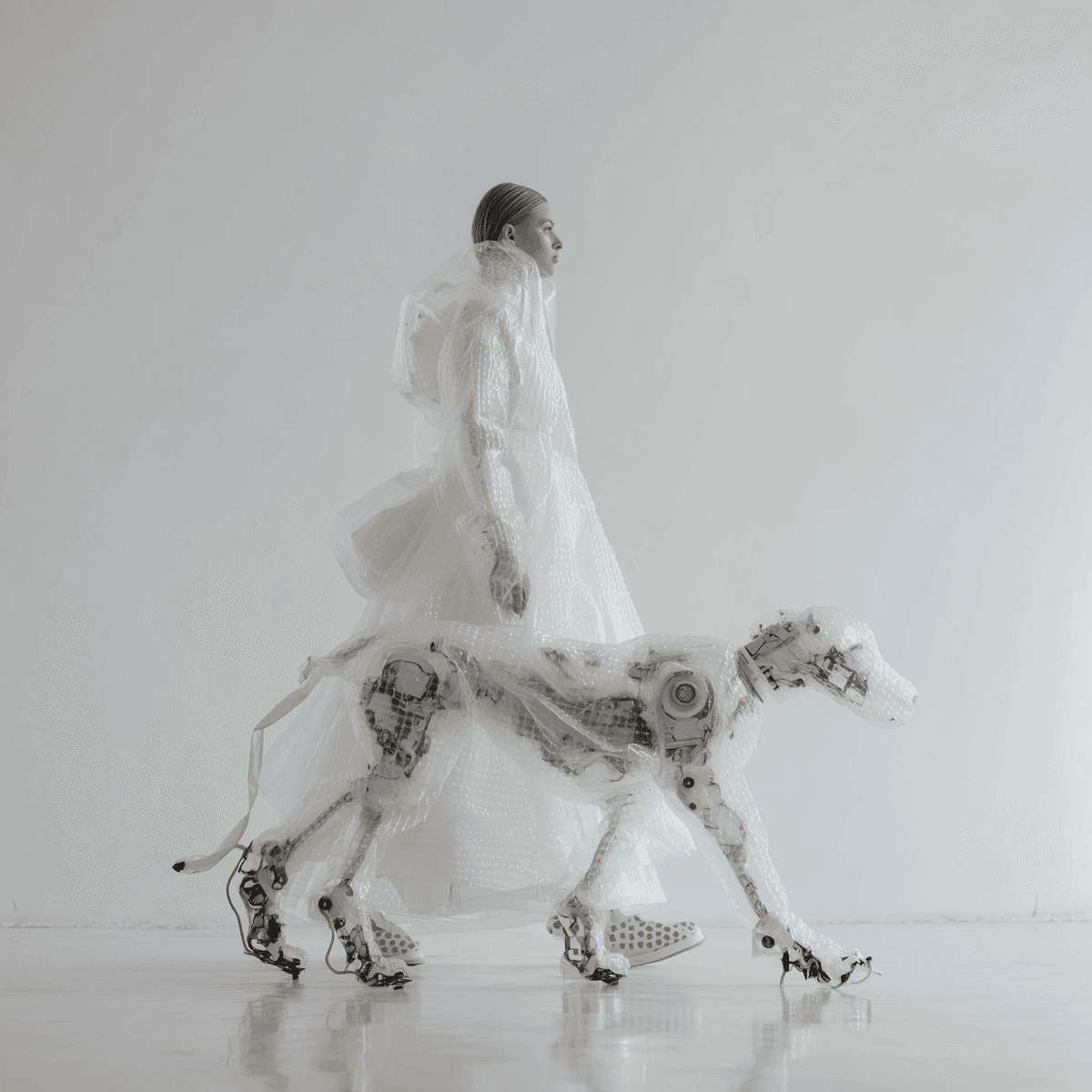
Designing for Urban Enviroments
Cities are experienced at walking speed. The most resilient urban environments make room for pause, movement, and the small encounters that turn infrastructure into a shared public life.
Start with the everyday route
Before adding a landmark gesture, map the ordinary journey: the crossing from transit, the shaded side of the street, the place someone stops with a coffee. These repeated moments reveal where seating, planting, lighting, and clear wayfinding will have the most impact.
A good streetscape can host a market on Saturday, a quiet lunch on Tuesday, and a community gathering after dark. Flexible edges, durable materials, and generous circulation give a place room to evolve without losing its identity.
The goal is not simply to make a city look finished. It is to create conditions where people feel welcome to return, contribute, and stay a little longer.
Make climate comfort visible
Climate resilience should be felt in the daily experience of a street. Trees that cool a bus stop, paving that drains after a storm, and shade that reaches a playground are not decorative extras. They are public amenities that help people use a place through heat, rain, and changing seasons.
Residents understand a neighborhood’s rhythms in ways that a site plan cannot. Conversations with shopkeepers, school groups, transit users, and people who live nearby can reveal informal routes, overlooked safety concerns, and the traditions that make a block distinctive. Listening early turns participation into a design tool rather than a final approval step.
Measure what belonging looks like
Success is not only counted in square footage or footfall. Watch who uses the space, at what times, and whether they can comfortably share it. A truly public environment accommodates different ages, bodies, budgets, and reasons for being there. When a place supports both passing through and lingering, it has begun to earn trust.

Business
How AI Impacts Your Workflow
AI is changing creative work less by replacing judgment and more by removing the friction around it. The opportunity is to protect more time for the decisions that only people can make.
Use it to widen the first draft
Early in a project, speed matters. Use AI to generate interview questions, summarize research, test naming directions, or turn a rough outline into a working brief. More options at this stage can make the eventual point of view sharper.
The final call still belongs to the team closest to the audience, the brand, and the stakes. Treat every generated output as material to interrogate: What is specific? What feels generic? What has been missed because it was not in the prompt?
A useful workflow is not the one with the most automation. It is the one that gives your attention back to craft, collaboration, and a clear idea.
Build a repeatable handoff
The best use cases are often the least glamorous: turning notes into a project recap, creating a first pass at meeting actions, or organizing a growing library of references. Define where generated work begins, where a person reviews it, and what needs a final owner. That small amount of structure keeps useful shortcuts from becoming invisible dependencies.
A workflow is only as responsible as the information it touches. Set clear boundaries for confidential client work, personal information, and unverified claims. Keep a record of important inputs and check facts before they reach a deck, an email, or a public page. Responsible use is not an interruption to speed—it is what makes speed sustainable.
Make room for learning
Tools evolve quickly, so the workflow should stay experimental. Try one narrow task, decide what good output looks like, and review the result with the people doing the work. Share prompts, failures, and useful patterns across the team. The aim is not to chase every release; it is to create a culture that can evaluate new capabilities with confidence.

Business
Fashion Week Campaign for Lux
For Lux’s Fashion Week moment, we built a campaign around the tension between polished silhouettes and the raw energy of the city after hours.
A world, not just a launch
The visual language paired hard flash photography with rich, inky color and close-cropped details. Every frame was designed to feel like a fragment from a larger night—immediate, tactile, and slightly mysterious.
We created a flexible system for editorial, social, retail, and event touchpoints so the campaign could move quickly without losing its visual edge. Motion cutdowns carried the same tension as the stills, while concise copy kept the mood open-ended.
The result was a campaign that felt present in the moment but memorable beyond the runway: a distinct invitation into the world of Lux.
Finding the campaign’s central tension
Our first task was to identify a feeling rather than a product claim. Lux already had polish; the campaign needed a pulse. We framed the collection against the blur of late-night movement, where reflective surfaces, street light, and close proximity made refinement feel alive rather than distant.
Fashion Week moves quickly, so the identity had to work in real time. We established a tight palette, a set of cropping principles, and a typography rhythm that could flex across invitations, screen graphics, and live social moments. The system left enough openness for spontaneous backstage images while keeping the campaign unmistakably Lux.
From attention to affinity
The campaign was designed to reward a second look. A sharp silhouette in a short clip could lead to a detail-rich editorial image, which in turn led to a fuller story in-store. By treating every channel as a chapter rather than a repetition, we gave audiences several ways to enter the world and a reason to keep following it.

Marketing
9 Essentials to Marketing Retail
Retail is no longer just about putting the right products on the shelf. In an increasingly digital marketplace, successful retail brands create experiences that connect product, identity, and culture at every touchpoint.
Whether you’re launching a new store, refreshing an established brand, or building a direct-to-consumer presence, these nine essentials can help create a stronger retail marketing strategy.
Know Your Audience
Effective retail marketing starts with understanding who you’re speaking to. Define your ideal customer, study their behaviors, understand their motivations, and identify what influences their purchasing decisions.
The more clearly you understand your audience, the easier it becomes to create relevant messaging, products, and experiences.
Build a Distinctive Brand
Your brand is often the first reason someone chooses you over a competitor. Develop a recognizable visual identity, tone of voice, and point of view that can remain consistent across your website, packaging, social channels, advertising, and physical spaces.
Consistency builds familiarity. Distinction builds preference.
Create a Strong Digital Presence
Your website should do more than display products. It should communicate your brand, answer questions, simplify discovery, and make purchasing effortless.
Prioritize clear navigation, compelling product photography, responsive design, fast performance, and a seamless checkout experience across every device.
Invest in Content
Content gives your audience a reason to engage with your brand beyond the transaction. Product stories, editorial photography, videos, guides, interviews, and behind-the-scenes content can all help communicate what makes your business different.
Great content turns products into stories people remember.
Make Social Media Useful
Social platforms are powerful discovery channels for retail brands. Instead of treating them purely as advertising platforms, use them to demonstrate products, educate customers, build community, and participate in relevant cultural conversations.
The goal isn't simply to gain followers. It's to create meaningful reasons for people to return.
Design the Customer Experience
Every interaction contributes to how customers perceive your brand. From the first advertisement to the unboxing experience, consider how each touchpoint connects to the next.
A thoughtful customer journey removes friction while creating moments that feel memorable, personal, and intentional.
Create Reasons to Return
Acquiring a customer is only the beginning. Loyalty programs, personalized recommendations, exclusive releases, email marketing, and thoughtful post-purchase communication can encourage customers to build an ongoing relationship with your brand.
Retention creates value that a single transaction cannot.
Measure What Matters
Creativity should be supported by data. Track metrics such as conversion rate, customer acquisition cost, average order value, repeat purchases, and customer lifetime value.
Use these insights to understand what is working, identify opportunities, and continuously improve your marketing strategy.
Stay Culturally Relevant
The strongest retail brands understand that they exist within a larger cultural landscape. Trends, communities, technology, and consumer expectations are constantly changing.
Stay curious. Experiment often. Pay attention to what people care about—and find authentic ways for your brand to participate.
The Takeaway
Great retail marketing isn't about being everywhere. It's about creating a consistent, recognizable experience wherever your customers encounter you.
Build a brand worth remembering, make every interaction intentional, and give people a reason to choose you again.

New Post
Marketing
Designing for Urban Enviroments
Cities are experienced at walking speed. The most resilient urban environments make room for pause, movement, and the small encounters that turn infrastructure into a shared public life.
Start with the everyday route
Before adding a landmark gesture, map the ordinary journey: the crossing from transit, the shaded side of the street, the place someone stops with a coffee. These repeated moments reveal where seating, planting, lighting, and clear wayfinding will have the most impact.
A good streetscape can host a market on Saturday, a quiet lunch on Tuesday, and a community gathering after dark. Flexible edges, durable materials, and generous circulation give a place room to evolve without losing its identity.
The goal is not simply to make a city look finished. It is to create conditions where people feel welcome to return, contribute, and stay a little longer.
Make climate comfort visible
Climate resilience should be felt in the daily experience of a street. Trees that cool a bus stop, paving that drains after a storm, and shade that reaches a playground are not decorative extras. They are public amenities that help people use a place through heat, rain, and changing seasons.
Residents understand a neighborhood’s rhythms in ways that a site plan cannot. Conversations with shopkeepers, school groups, transit users, and people who live nearby can reveal informal routes, overlooked safety concerns, and the traditions that make a block distinctive. Listening early turns participation into a design tool rather than a final approval step.
Measure what belonging looks like
Success is not only counted in square footage or footfall. Watch who uses the space, at what times, and whether they can comfortably share it. A truly public environment accommodates different ages, bodies, budgets, and reasons for being there. When a place supports both passing through and lingering, it has begun to earn trust.

Business
Fashion Week Campaign for Lux
For Lux’s Fashion Week moment, we built a campaign around the tension between polished silhouettes and the raw energy of the city after hours.
A world, not just a launch
The visual language paired hard flash photography with rich, inky color and close-cropped details. Every frame was designed to feel like a fragment from a larger night—immediate, tactile, and slightly mysterious.
We created a flexible system for editorial, social, retail, and event touchpoints so the campaign could move quickly without losing its visual edge. Motion cutdowns carried the same tension as the stills, while concise copy kept the mood open-ended.
The result was a campaign that felt present in the moment but memorable beyond the runway: a distinct invitation into the world of Lux.
Finding the campaign’s central tension
Our first task was to identify a feeling rather than a product claim. Lux already had polish; the campaign needed a pulse. We framed the collection against the blur of late-night movement, where reflective surfaces, street light, and close proximity made refinement feel alive rather than distant.
Fashion Week moves quickly, so the identity had to work in real time. We established a tight palette, a set of cropping principles, and a typography rhythm that could flex across invitations, screen graphics, and live social moments. The system left enough openness for spontaneous backstage images while keeping the campaign unmistakably Lux.
From attention to affinity
The campaign was designed to reward a second look. A sharp silhouette in a short clip could lead to a detail-rich editorial image, which in turn led to a fuller story in-store. By treating every channel as a chapter rather than a repetition, we gave audiences several ways to enter the world and a reason to keep following it.

Business
How AI Impacts Your Workflow
AI is changing creative work less by replacing judgment and more by removing the friction around it. The opportunity is to protect more time for the decisions that only people can make.
Use it to widen the first draft
Early in a project, speed matters. Use AI to generate interview questions, summarize research, test naming directions, or turn a rough outline into a working brief. More options at this stage can make the eventual point of view sharper.
The final call still belongs to the team closest to the audience, the brand, and the stakes. Treat every generated output as material to interrogate: What is specific? What feels generic? What has been missed because it was not in the prompt?
A useful workflow is not the one with the most automation. It is the one that gives your attention back to craft, collaboration, and a clear idea.
Build a repeatable handoff
The best use cases are often the least glamorous: turning notes into a project recap, creating a first pass at meeting actions, or organizing a growing library of references. Define where generated work begins, where a person reviews it, and what needs a final owner. That small amount of structure keeps useful shortcuts from becoming invisible dependencies.
A workflow is only as responsible as the information it touches. Set clear boundaries for confidential client work, personal information, and unverified claims. Keep a record of important inputs and check facts before they reach a deck, an email, or a public page. Responsible use is not an interruption to speed—it is what makes speed sustainable.
Make room for learning
Tools evolve quickly, so the workflow should stay experimental. Try one narrow task, decide what good output looks like, and review the result with the people doing the work. Share prompts, failures, and useful patterns across the team. The aim is not to chase every release; it is to create a culture that can evaluate new capabilities with confidence.

Marketing
9 Essentials to Marketing Retail
Retail is no longer just about putting the right products on the shelf. In an increasingly digital marketplace, successful retail brands create experiences that connect product, identity, and culture at every touchpoint.
Whether you’re launching a new store, refreshing an established brand, or building a direct-to-consumer presence, these nine essentials can help create a stronger retail marketing strategy.
Know Your Audience
Effective retail marketing starts with understanding who you’re speaking to. Define your ideal customer, study their behaviors, understand their motivations, and identify what influences their purchasing decisions.
The more clearly you understand your audience, the easier it becomes to create relevant messaging, products, and experiences.
Build a Distinctive Brand
Your brand is often the first reason someone chooses you over a competitor. Develop a recognizable visual identity, tone of voice, and point of view that can remain consistent across your website, packaging, social channels, advertising, and physical spaces.
Consistency builds familiarity. Distinction builds preference.
Create a Strong Digital Presence
Your website should do more than display products. It should communicate your brand, answer questions, simplify discovery, and make purchasing effortless.
Prioritize clear navigation, compelling product photography, responsive design, fast performance, and a seamless checkout experience across every device.
Invest in Content
Content gives your audience a reason to engage with your brand beyond the transaction. Product stories, editorial photography, videos, guides, interviews, and behind-the-scenes content can all help communicate what makes your business different.
Great content turns products into stories people remember.
Make Social Media Useful
Social platforms are powerful discovery channels for retail brands. Instead of treating them purely as advertising platforms, use them to demonstrate products, educate customers, build community, and participate in relevant cultural conversations.
The goal isn't simply to gain followers. It's to create meaningful reasons for people to return.
Design the Customer Experience
Every interaction contributes to how customers perceive your brand. From the first advertisement to the unboxing experience, consider how each touchpoint connects to the next.
A thoughtful customer journey removes friction while creating moments that feel memorable, personal, and intentional.
Create Reasons to Return
Acquiring a customer is only the beginning. Loyalty programs, personalized recommendations, exclusive releases, email marketing, and thoughtful post-purchase communication can encourage customers to build an ongoing relationship with your brand.
Retention creates value that a single transaction cannot.
Measure What Matters
Creativity should be supported by data. Track metrics such as conversion rate, customer acquisition cost, average order value, repeat purchases, and customer lifetime value.
Use these insights to understand what is working, identify opportunities, and continuously improve your marketing strategy.
Stay Culturally Relevant
The strongest retail brands understand that they exist within a larger cultural landscape. Trends, communities, technology, and consumer expectations are constantly changing.
Stay curious. Experiment often. Pay attention to what people care about—and find authentic ways for your brand to participate.
The Takeaway
Great retail marketing isn't about being everywhere. It's about creating a consistent, recognizable experience wherever your customers encounter you.
Build a brand worth remembering, make every interaction intentional, and give people a reason to choose you again.
The future of advertising is now. Create a brand that resonates with the world. Let's work.
The future of advertising is now. Create a brand that resonates with the world. Let’s work.


Available Now