Strategy
The Psychology Behind Great Interfaces
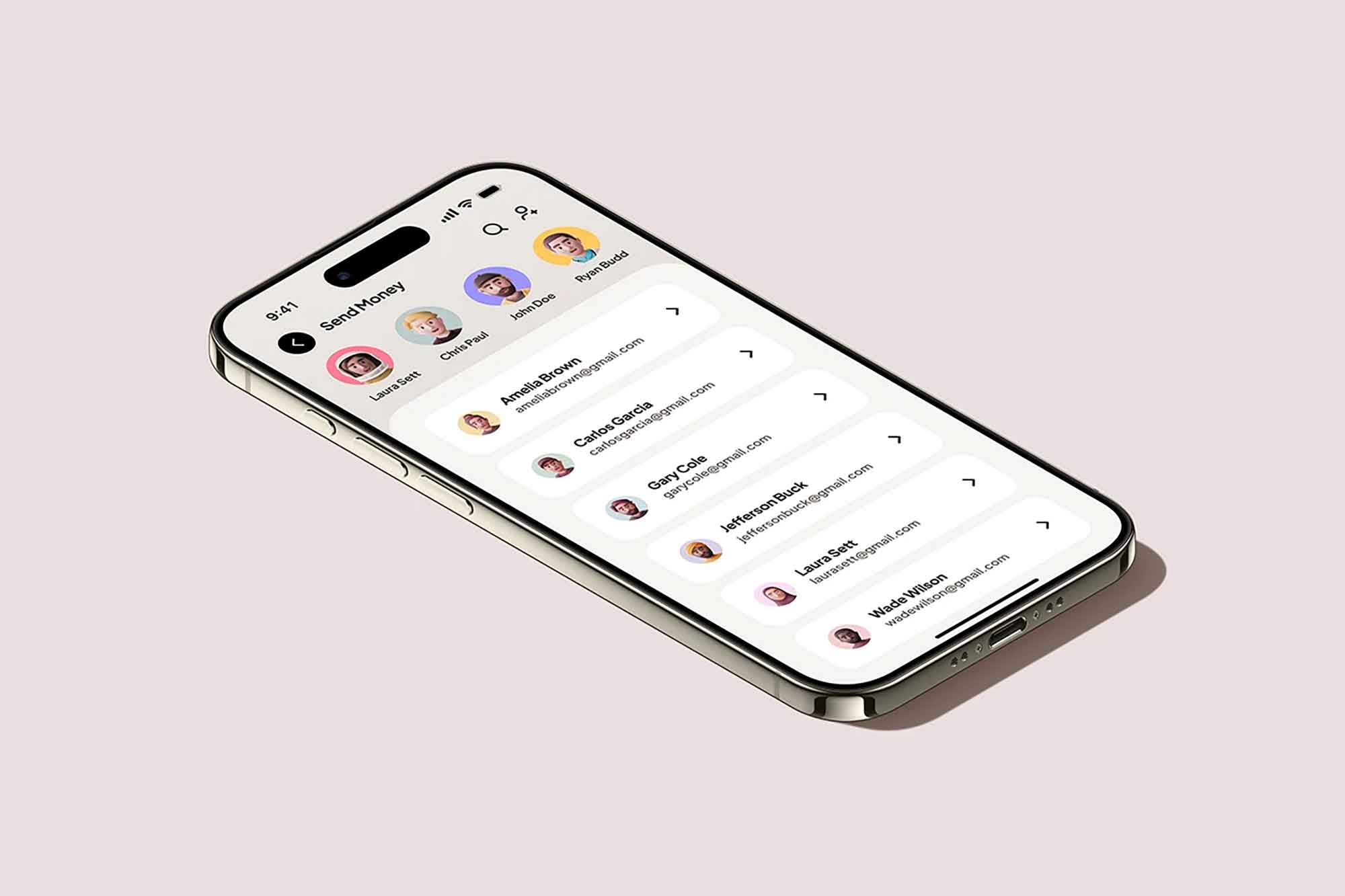
Good interfaces are easy to use. Great interfaces feel almost invisible.
The best digital products don't force users to think about how they work. They guide attention, create intuitive pathways, and provide feedback at exactly the right moment. Behind this simplicity is a deeper understanding of how people perceive, process, and respond to information.
Designing for Attention
Attention is limited. Every button, image, headline, animation, and interaction competes for it.
Great interfaces establish a clear visual hierarchy so users immediately understand what matters. Size, contrast, spacing, typography, and motion can all be used to direct attention toward the most important information.
Good design doesn't demand attention. It earns it.
Reducing Cognitive Load
Every decision requires mental effort. When an interface contains too many choices, unfamiliar patterns, or unnecessary information, users have to work harder to accomplish simple tasks. This creates friction and can quickly lead to frustration.
Effective interfaces simplify complexity by presenting information progressively, grouping related elements, and removing anything that doesn't contribute to the experience.
The less users have to think about the interface, the more they can focus on what they came to accomplish.
Familiarity Creates Confidence
People naturally rely on patterns they already understand. Common interface conventions—navigation menus, search fields, buttons, icons, and familiar gestures—allow users to predict what will happen before they interact.
Innovation has its place, but reinventing familiar interactions without a clear reason can create unnecessary confusion.
Sometimes the most sophisticated solution is the one that feels immediately familiar.
Creating Emotional Responses
Interfaces aren't purely functional. Typography can make a product feel sophisticated. Motion can create energy. Color can establish mood. Imagery can create desire. Micro-interactions can introduce personality.
These details influence how people perceive a product before they consciously understand why.
Functionality gets people through the door. Emotion gives them a reason to stay.
The Invisible Craft
The psychology behind great interfaces isn't about manipulating users. It's about understanding them. Every successful interface balances human behavior with technology, creating systems that feel intuitive without sacrificing functionality.
The best interfaces don't call attention to their complexity.
They simply make the right thing feel obvious.